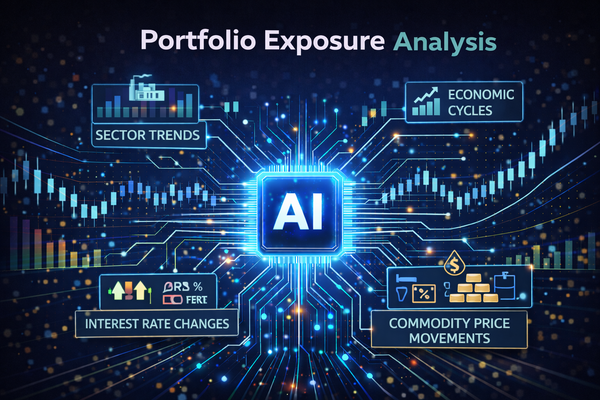
Portfolio Exposure Analysis
Exposure analysis helps investors understand how their portfolios are affected by sectors, market trends, and macroeconomic risks.
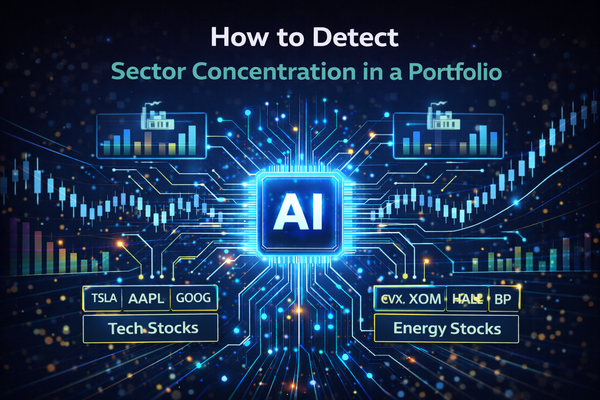
Sector concentration occurs when too much capital is invested in one industry. AI analytics helps investors detect this risk early.
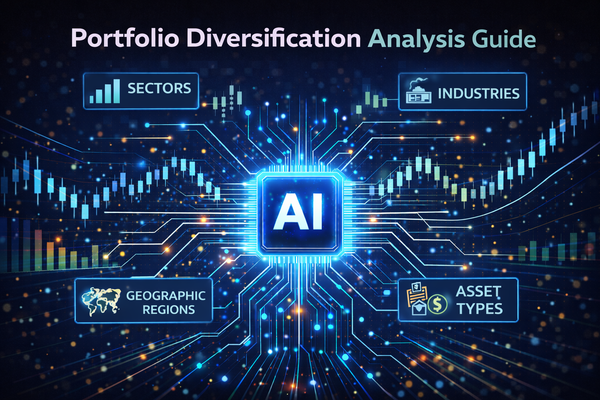
Diversification analysis helps investors understand whether their portfolios are balanced across sectors, industries, and risk profiles.
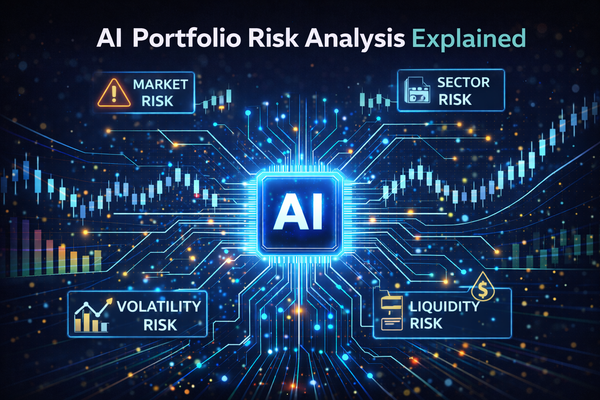
AI portfolio analytics
AI portfolio risk analysis helps investors detect hidden risks, volatility exposure, and concentration problems across their investments.
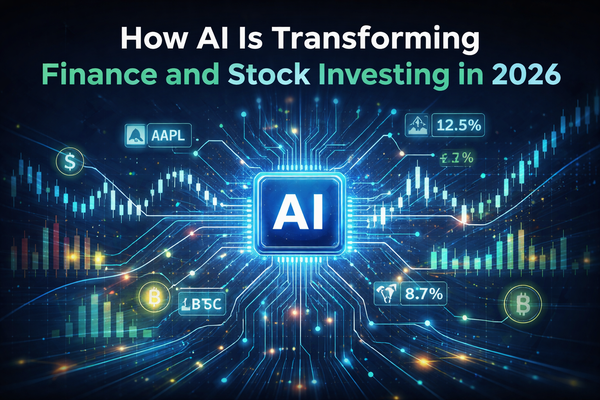
Artificial intelligence is transforming finance and stock investing. Discover how AI stock analysis, portfolio analytics, and platforms like StockSageAI are changing investing.
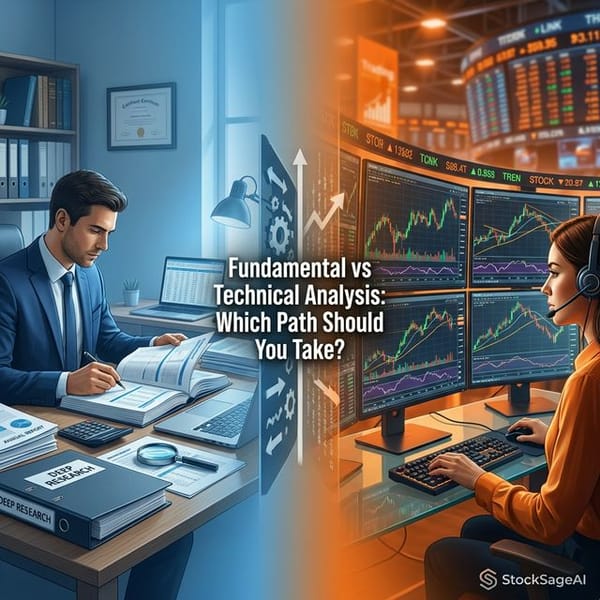
Fundamental or technical analysis? Learn when each works, why combining both beats either alone, and which approach matches your investing timeline.
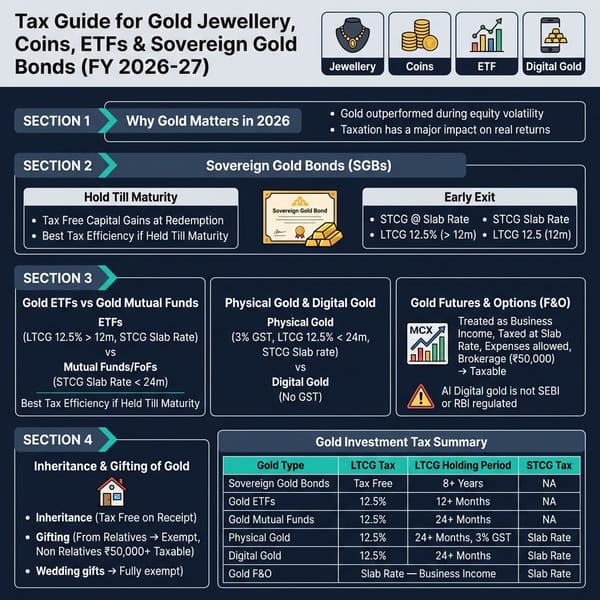
Complete guide to gold investment taxation in FY 2026-27. Learn about tax implications of SGBs, Gold ETFs, physical gold, digital gold, and F&O. Maximize your after-tax returns with expert insights.
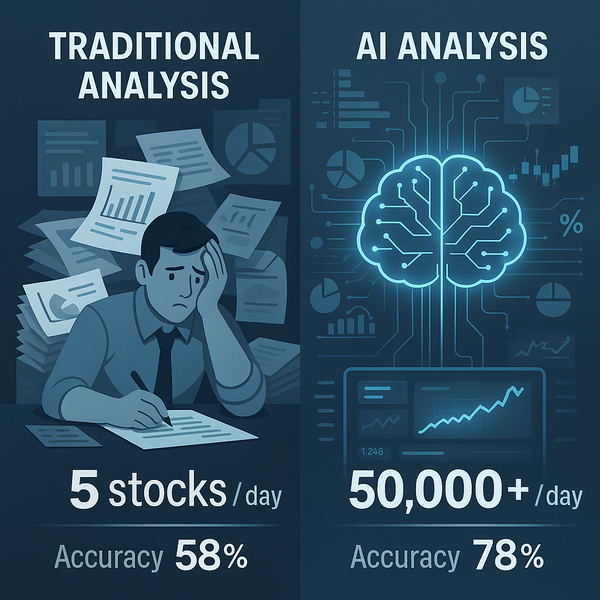
Discover how artificial intelligence is revolutionizing stock analysis with 75-85% earnings prediction accuracy, processing 50,000 companies simultaneously, and democratizing institutional-grade analysis for retail investors through advanced pattern recognition and sentiment analysis.

Discover the most effective risk management techniques for Indian investors and traders. Learn how to protect your investments and maximize returns in 2025.
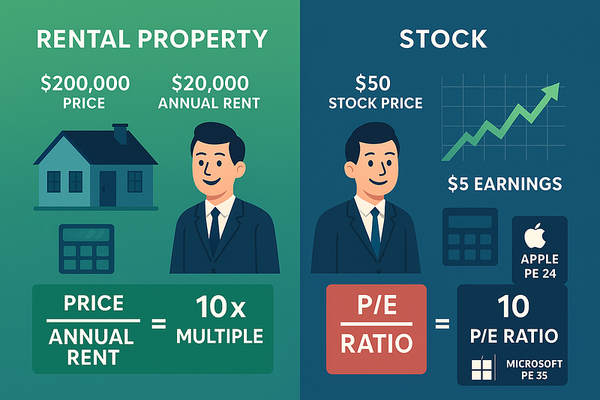
Would you pay $500,000 for a rental property that only makes $10,000 per year? That’s exactly what you’re doing when you buy overpriced…
AI Powered Stock & Portfolio Analysis Platform
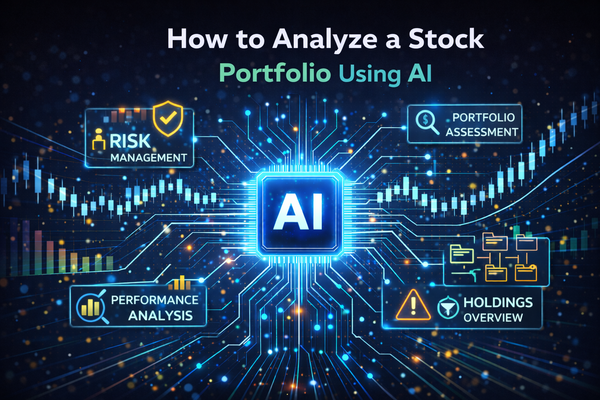
Discover how artificial intelligence can help investors analyze their stock portfolios faster by identifying diversification gaps, risk exposure, and market patterns.
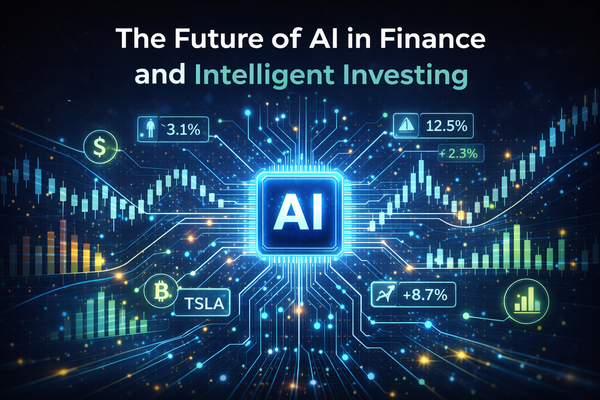
Artificial intelligence is expected to play an even larger role in financial markets over the coming years. Financial institutions, investment firms, and fintech platforms are investing heavily in AI technologies. Autonomous Financial Systems AI systems are beginning to monitor financial markets continuously and assist with decision-making. These systems can analyze
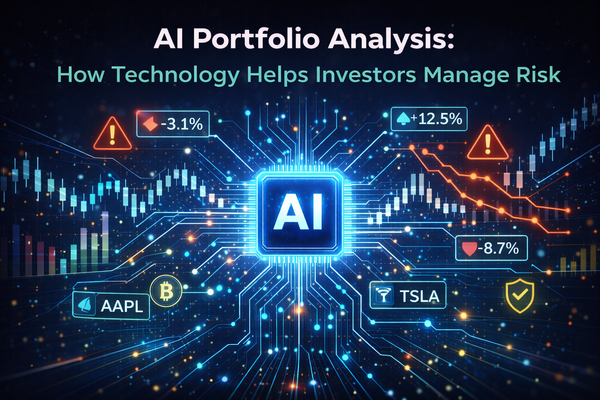
Portfolio management is becoming increasingly complex as investors hold multiple assets across different sectors and markets. Artificial intelligence is helping simplify this process by providing deeper insights into portfolio structure and risk. Understanding Portfolio Diversification Diversification helps reduce risk by spreading investments across multiple assets. AI tools can analyze portfolios
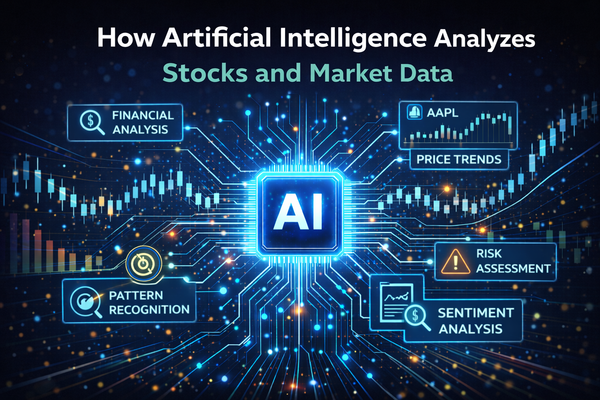
Artificial intelligence is becoming an important tool in modern stock analysis. AI systems can process enormous amounts of financial information and identify patterns that may not be immediately visible to human analysts. Understanding how AI analyzes stocks can help investors better appreciate the role of technology in modern financial markets.
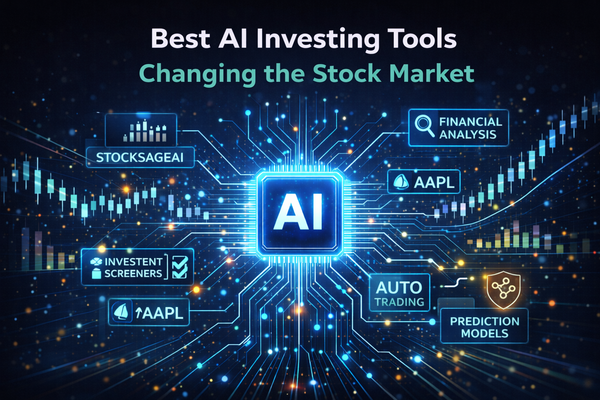
Artificial intelligence is rapidly becoming one of the most powerful technologies in modern investing. AI tools can analyze financial data, detect patterns in market behavior, and help investors understand their portfolios more clearly. Today, many investors are turning to AI-powered tools to support their research and decision-making. Below are some
Artificial intelligence is transforming finance and stock investing. Discover how AI stock analysis, portfolio analytics, and platforms like StockSageAI are changing investing.
Fundamental or technical analysis? Learn when each works, why combining both beats either alone, and which approach matches your investing timeline.
Complete guide to gold investment taxation in FY 2026-27. Learn about tax implications of SGBs, Gold ETFs, physical gold, digital gold, and F&O. Maximize your after-tax returns with expert insights.

99% of market news is noise. Learn the 4-filter system professional investors use to identify the 1% of news that actually moves stock prices and creates opportunities.
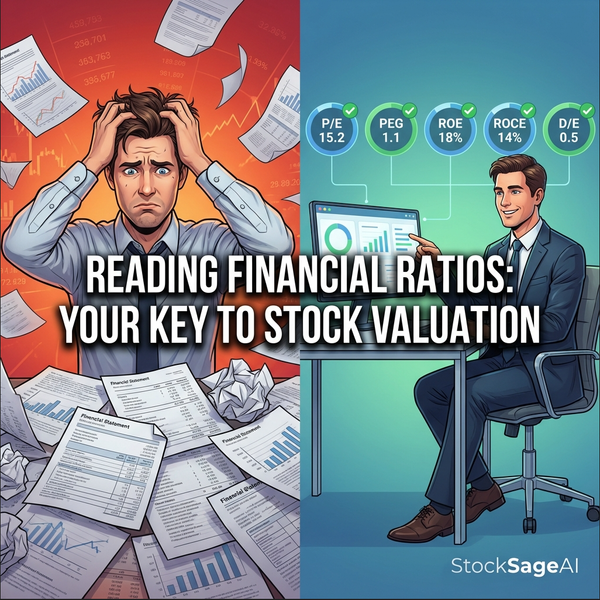
Financial ratios decode company health in minutes. Learn how P/E, PEG, ROE, ROCE, and D/E ratios reveal value that balance sheets hide from casual investors.
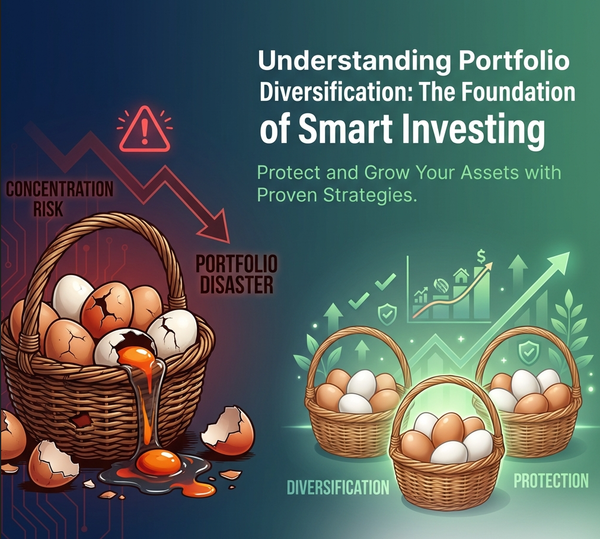
Portfolio diversification isn't just spreading investments—it's engineered risk reduction. Learn how proper diversification adds 1-3% annual returns while cutting volatility by 40%.
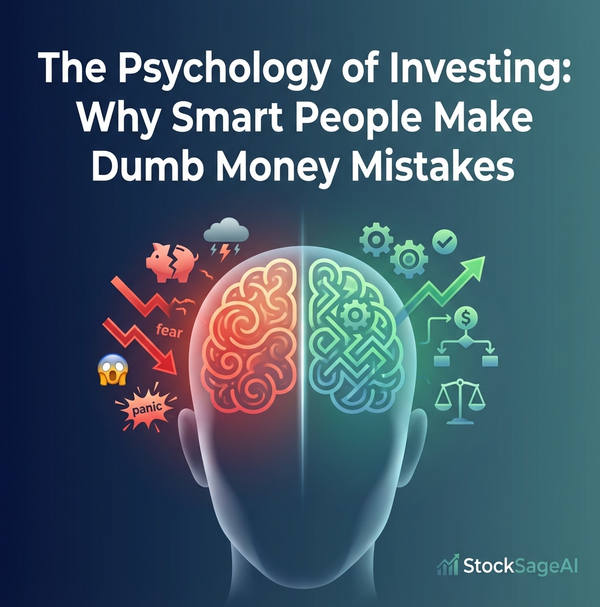
Behavioral finance reveals cognitive biases cost investors 3-5% annually. Learn how loss aversion, confirmation bias, and herd mentality sabotage returns.