How to Detect Sector Concentration in a Portfolio
Sector concentration occurs when too much capital is invested in one industry. AI analytics helps investors detect this risk early.

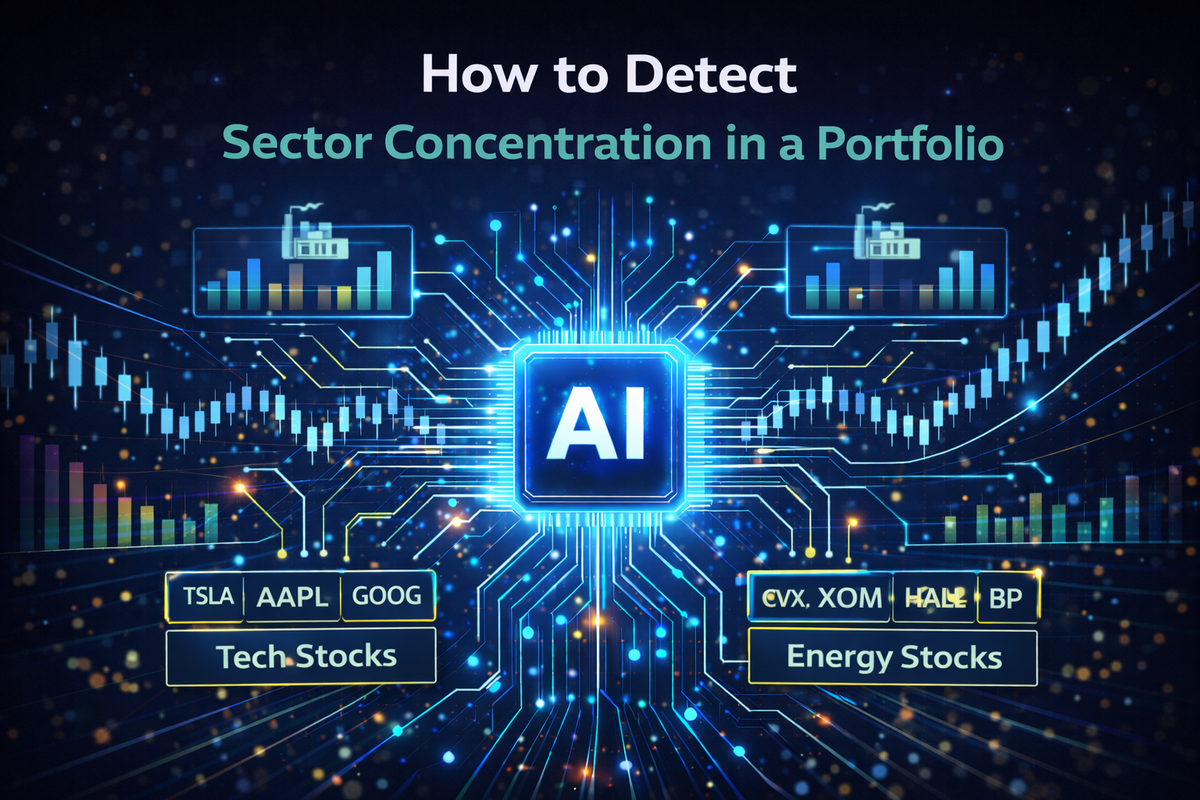
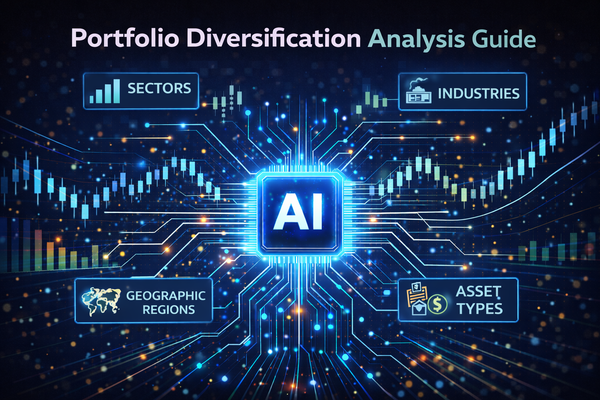
Sector concentration is one of the most common risks in investment portfolios. Many investors unintentionally allocate a large portion of their portfolio to a single industry.
This may happen when a specific sector performs well for an extended period.
For example, during strong technology market cycles, investors may accumulate multiple technology stocks without realizing how concentrated their portfolios have become.
What Is Sector Concentration?
Sector concentration occurs when a portfolio allocates a disproportionate amount of capital to a particular industry.
Examples include:
Technology
Energy
Banking
Healthcare
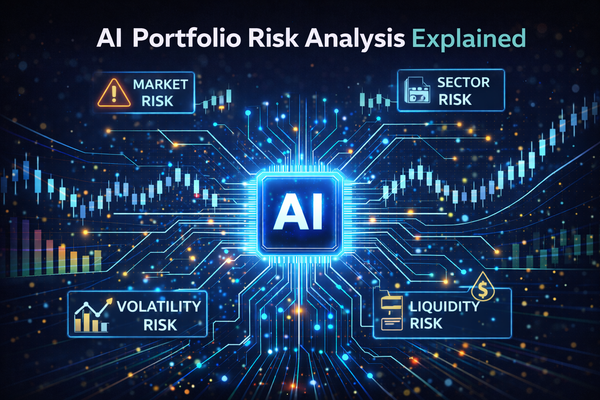
If one sector represents a large share of the portfolio, any downturn affecting that sector may significantly impact overall performance.
Why Sector Concentration Is Risky
Different sectors respond differently to economic conditions.
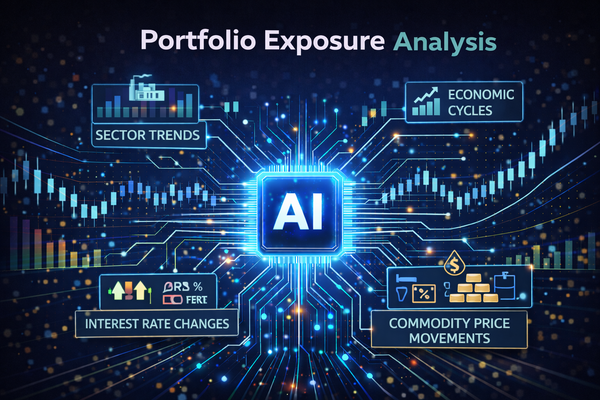
Interest rate changes may affect financial institutions. Commodity price fluctuations may affect energy companies. Consumer demand shifts may affect retail businesses.
When a portfolio is heavily concentrated in one sector, its performance becomes dependent on that sector's outlook.
How AI Helps Detect Sector Risk
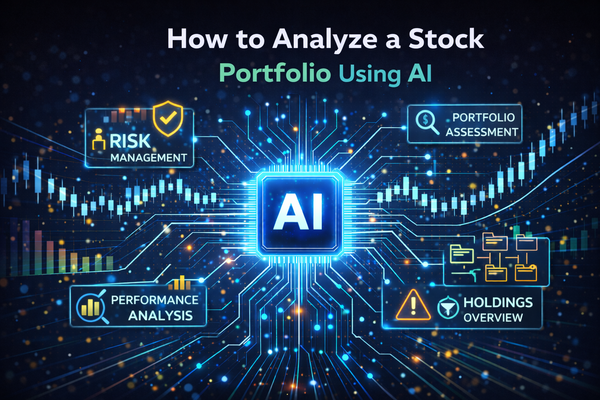
AI-powered analytics platforms analyze portfolio composition and sector exposure.
AI tools can:
Identify sector allocation percentages
Detect hidden industry overlaps
Monitor sector performance trends
These insights help investors maintain balanced portfolios.
Managing Sector Exposure
Investors can reduce sector concentration by:
Rebalancing portfolios
Adding exposure to other industries
Monitoring allocation regularly
Platforms such as StockSageAI provide analytics that help investors understand sector exposure and portfolio balance.